How to Avoid Dooh Costly Mistakes in 2026
Investing in an outdoor LED billboard is a major decision that impacts your organization's visibility and revenue. Whether you are a business owner, a media operator, or part of an advertising agency, choosing the right outdoor LED screen means acquiring a powerful, high-impact visual voice.
However, the market is flooded with technical jargon. What do terms like Pixel Pitch, Nits, or IP65 actually mean for your DOOH (Digital Out-of-Home) project? Let’s cut through the clutter and guide you through 6 essential steps to make a smart purchase decision.
Table of Contents
Defining the "Pixel Pitch" (Resolution)
Brightness & Visibility
Durability & Weatherproofing (IP Rating)
Installation & Maintenance Access
Visual Quality (Refresh Rate)
Total Cost of Ownership (Energy & Warranty)
Defining the "Pixel Pitch" (Resolution)
The Buyer’s Formula: Don't overspend on resolution if your audience is far away. Use the Optimal Viewing Distance Rule:
Pixel Pitch (mm) × 1 = Minimum Viewing Distance (meters)
Scenario Examples:
Close Viewing: For a city-center led advertising screen viewed from 4–5 meters, a P4 LED screen is the perfect choice for crisp, professional visuals.
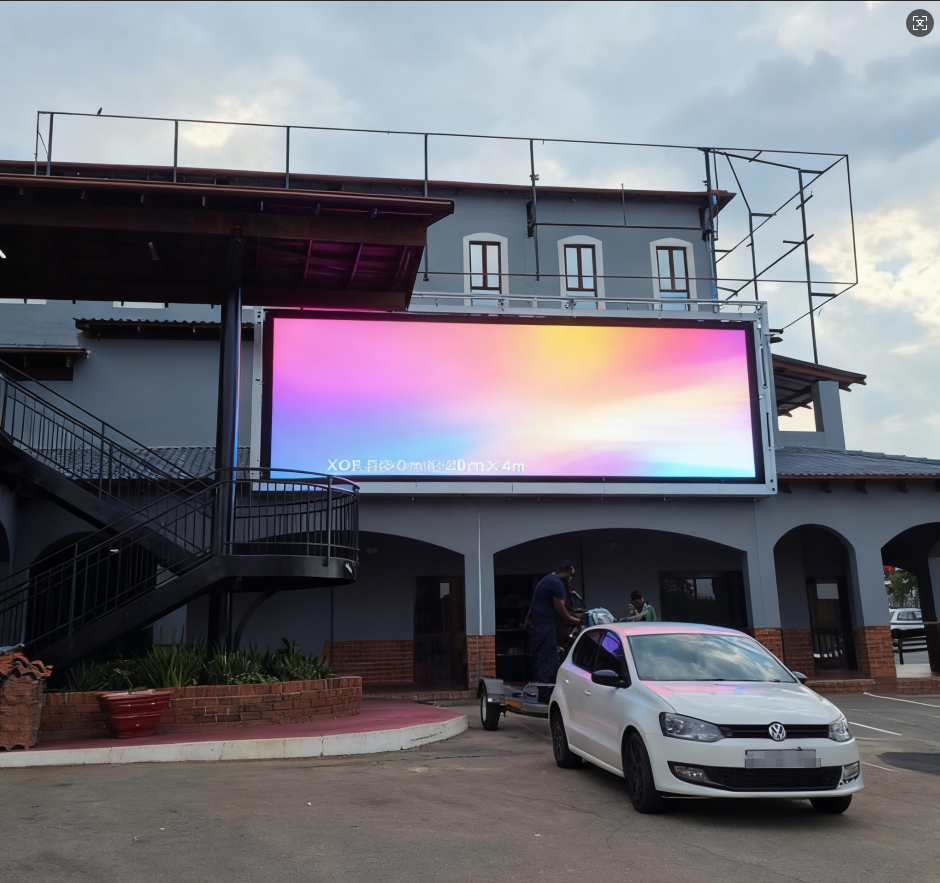
Roadside/Highway: For an outdoor LED billboard viewed from 20+ meters, a higher pixel pitch (P8 or P10) is more cost-effective. You won't see the difference, so avoid paying premium prices for ultra-fine pitch screens here.
Brightness & Visibility
The Baseline: Indoor screens typically peak at 500 nits, which is invisible outdoors. For a true High Brightness outdoor led screen, you need to aim higher.
The Safe Zone: A professional-grade outdoor LED screen should offer at least 6,000–10000 nits.
Smart Feature: Always ask for an Automatic Light Sensor. It prevents light pollution at night and ensures your led advertising screen maintains high visibility during the brightest hours of the day.
Durability & Weatherproofing (IP Rating)
The Standard: For DOOH projects, your hardware fights a constant war against nature.
Look for an IP65 Front / IP54 Rear rating as your minimum requirement.
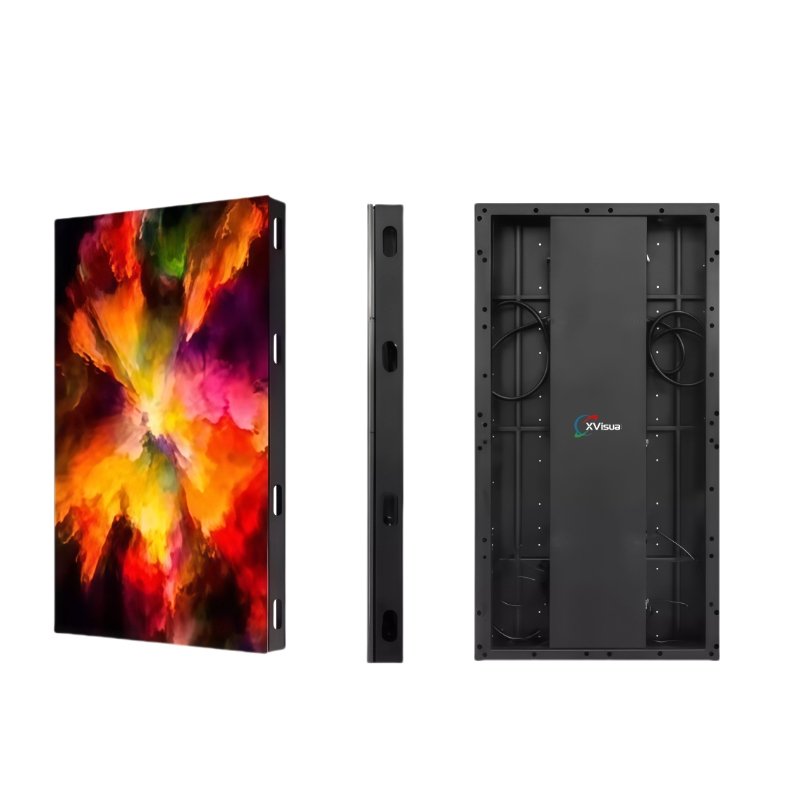
Pro Tip: Avoid "modified" indoor screens. A genuine outdoor LED billboard uses die-cast aluminum cabinets that dissipate heat effectively and resist rust, ensuring your investment doesn't become a "black box" within six months.
Step 4: Installation & Maintenance Access
How you maintain your outdoor LED screen is as important as the purchase price.
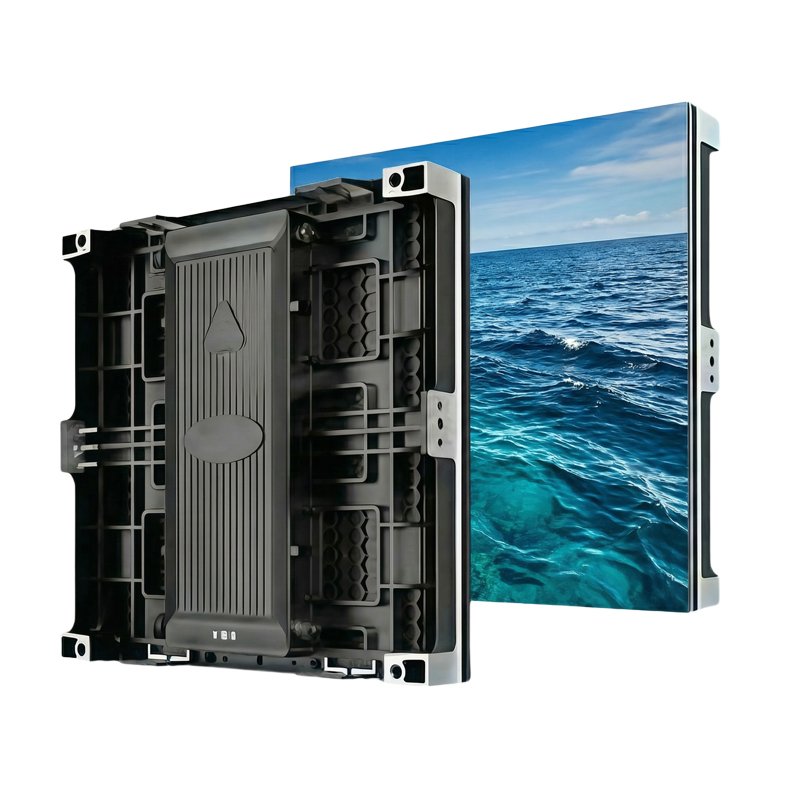
Front Maintenance: Mandatory for flat wall-mounted installations. It allows modules to be popped out from the front without needing rear access.
Rear Maintenance: More common for large-scale DOOH structures where a catwalk is built behind the screen.
Visual Quality (Refresh Rate)
Flicker Issue: Have you seen black rolling lines in videos of screens? That is a low refresh rate.
The 3840Hz Standard: For any led advertising screen used for live events or social media content, 3840Hz is the "Gold Standard." It ensures your screen remains solid and flicker-free on cameras.
Step 6: Total Cost of Ownership (Energy & Warranty)
The initial cost is only part of the story.
Energy Efficiency: Ask for "Common Cathode" technology to reduce power consumption by 30–40%.
Spare Parts: Always buy 3–5% extra modules from the same production batch. If a module fails three years later, you cannot simply replace it with a new one—the colors won't match.
Summary Checklist for Buyers
Before signing your contract, ensure your supplier provides:
Correct Pixel Pitch: Did you use the distance formula?
High Brightness: Is it rated for at least 6,000 nits?
Aluminum Build: Is it built to withstand local weather (IP65)?
3840Hz Refresh Rate: Is it future-proof for video?
Batch-Matched Spares: Does the quote include extra modules?
Final Thought
A high-quality outdoor LED billboard is a 5–10 year asset. Don't just look for the lowest price—look for build quality and professional support. The right DOOH solution will pay for itself through attention and impact; the wrong screen will be a very expensive mistake.
Ready to launch your next DOOH project? Contact our expert team today for a custom site-visibility simulation and the best hardware recommendations for your specific location